
Loading...
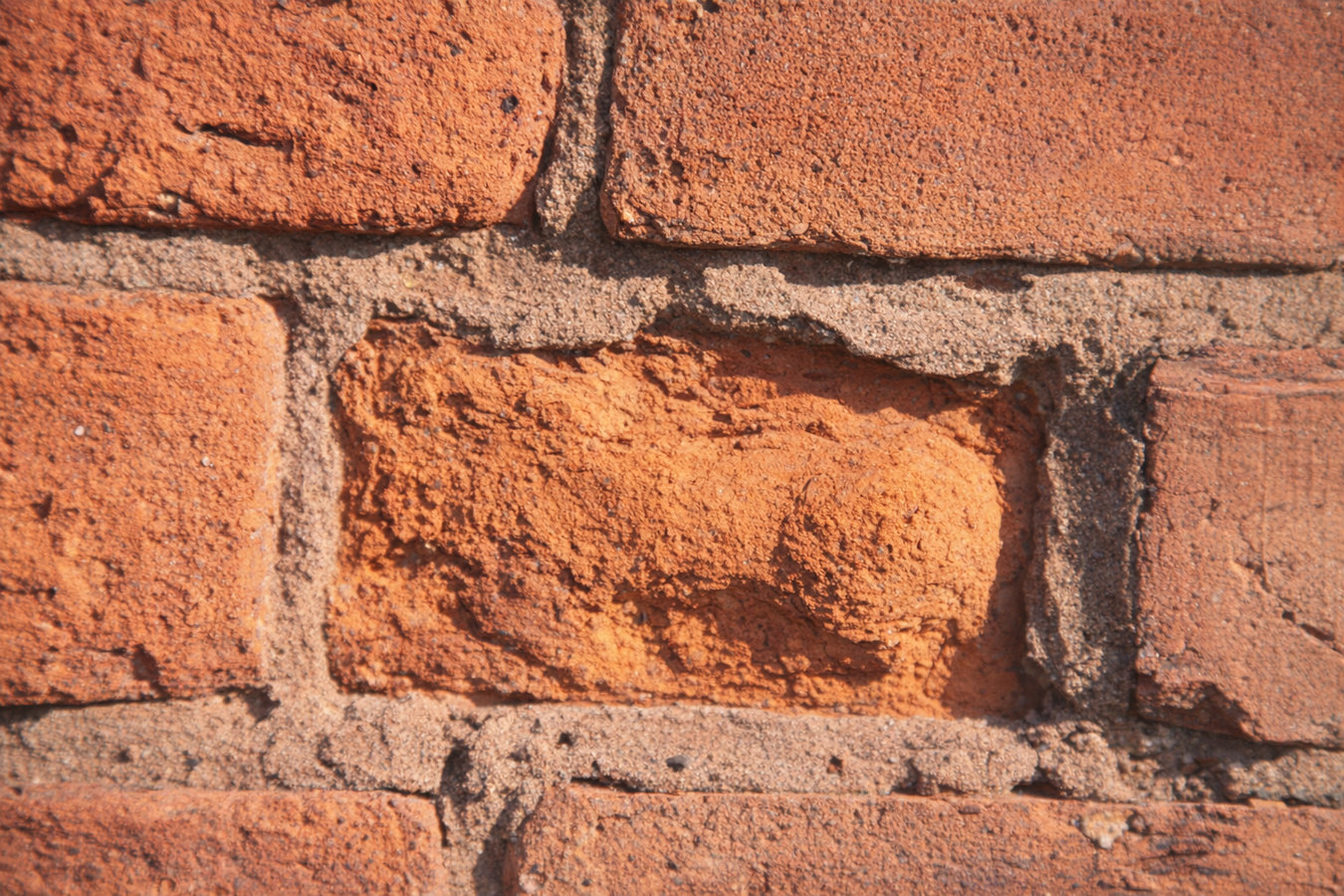
Crumbling mortar joints let water into your walls every wet season - and near the Hayward Fault, seismic stress opens them faster than most homeowners expect. We remove failing mortar and pack fresh joints matched to your existing work, so your bricks stay sealed and your walls stay solid.
Brick pointing - also called repointing or tuckpointing - is the process of removing old, crumbling mortar from the joints between bricks and replacing it with fresh mortar. In Fremont, most residential pointing jobs take one to three days for a chimney or a wall section; larger exterior walls can run three to five days. The mortar is intentionally softer than the brick - it is designed to absorb stress and movement so the bricks themselves do not crack. That softness also means mortar typically wears out every 25 to 30 years, well before the bricks around it.
Fremont has a large concentration of homes built between the 1940s and 1970s, which means a significant portion of the city's brick and masonry is past its mortar lifespan. The Hayward Fault running directly through the city accelerates that wear - minor tremors gradually loosen joints over years. If your home is in that age range and the mortar has never been touched, it is worth having a mason look at it before Fremont's rainy season gives water somewhere to go. For situations where the damage has gone beyond mortar joints and bricks themselves need work, we also offer masonry restoration as a more comprehensive option.
Run your finger along the joints between bricks. If the mortar feels soft, sandy, or comes away with light pressure, it is past its useful life. You might also see small gaps or holes where mortar has fallen out entirely. Those open joints let water in every time it rains - and Fremont's wet winters give water plenty of opportunities to find them.
That white, chalky residue is efflorescence - salt being pushed out of the brick or mortar by water moving through the wall. In Fremont, where winter rains can be persistent, this is a common early warning sign that moisture is getting in somewhere it should not. It does not always mean the bricks are damaged, but it almost always means the mortar joints need a closer look.
Fremont has a large concentration of homes built between the 1940s and 1970s. Mortar from that era is now well past its typical 25-to-30-year lifespan. Even if the joints look okay from a distance, a mason can spot hairline cracks and soft spots that are not visible to an untrained eye. If your home is from that era and the mortar has never been touched, there is a good chance it needs attention.
The Hayward Fault produces small tremors regularly - many Fremont residents barely notice them. But those small movements add up over years and can open hairline cracks in mortar joints that were not there before. If you have noticed new cracking in or around your brickwork after a shaking event, even a minor one, it is worth having a mason look before the next rainy season lets water find those cracks.
We handle four main types of brick pointing work: chimney repointing, exterior brick wall repointing, garden wall and planter repointing, and targeted spot repointing for areas that are showing early deterioration. Each type starts with an in-person assessment because the scope and cost vary significantly based on wall height, how badly the mortar has deteriorated, and how much color-matching detail is involved. For chimneys, we often coordinate pointing work with a broader masonry restoration scope if the cap or crown also needs attention.
Every pointing job includes mortar color matching - we test a sample area first and let it dry before committing to the full mix, because mortar always dries lighter than it looks wet. The finished joints should look consistent with the surrounding wall, not patchy. For homeowners whose brick damage goes beyond mortar - spalling faces, cracked bricks, or structural movement - we can scope foundation repair or brick replacement as part of the same project assessment.
Suits homeowners with visible mortar gaps on a chimney stack, especially after wet winters or following minor earthquake activity.
Best for homes where the mortar across a large wall section is crumbling uniformly, often due to age or the Fremont wet-dry seasonal cycle.
Suited for decorative brick structures where open joints are letting moisture into soil or damaging the surrounding hardscape.
Ideal when only a few sections of a wall show deterioration - catching it early keeps the repair cost far lower than waiting for a full wall to fail.
Two local conditions make brick pointing more urgent in Fremont than in many other California cities. The first is the Hayward Fault. The U.S. Geological Survey considers it one of the most dangerous active fault lines in the country, and even the small, regularly occurring tremors gradually open hairline cracks in mortar joints over time. Fresh mortar is more flexible and better able to absorb minor ground movement than old, brittle mortar that is already crumbling. Keeping joints in good condition is one of the most practical things a Fremont homeowner can do to help brickwork hold together during any significant shaking. The Brick Industry Association is the industry body that sets the standards for mortar selection and joint quality in professional pointing work.
The second factor is Fremont's seasonal climate. The city gets most of its rain between November and March, then stays almost completely dry through summer. That wet-dry swing causes brick and mortar to expand and contract repeatedly - and any crack or gap in the mortar joints acts as an entry point for water during the wet season. Homeowners in Hayward and San Leandro face the same conditions, and we bring the same mortar mix discipline and scheduling discipline - avoiding work during the wettest months and the hottest days - to every job across the service area.
When you reach out, we ask a few basic questions - where the brickwork is, how large the area looks, and whether you have noticed specific damage. We schedule a time to come look at the wall in person, because an accurate estimate really cannot be done from a photo alone. We reply to all inquiries within 1 business day.
We walk the wall and look closely at the joints - checking how deep the deterioration goes, whether any bricks are damaged, and what the existing mortar color and profile look like. This usually takes 20 to 45 minutes. You receive a written estimate that breaks out scope and price clearly.
The crew carefully grinds or chisels out old mortar to a consistent depth, then packs fresh mortar into the joints in layers, shaping each one to match the original profile. This is the noisiest part of the job - plan for it. Depending on the area size, the work takes one day to several. We keep windows on the work side of the house closed to limit dust inside.
When pointing is done, we clean mortar dust and debris from the wall face and surrounding area. We then walk the wall with you together before leaving, so you can ask questions and confirm everything looks right. We give you specific instructions on what to avoid during the 24-to-48-hour curing window before the joints can get wet.
No obligation. We come out, look at the wall in person, and give you a clear price in writing before any work starts - so you can compare fairly.
(510) 941-1329Fremont's proximity to the Hayward Fault means the ground here moves - sometimes in ways you barely feel. We select mortar mixes that are flexible enough to absorb minor seismic stress without cracking, but durable enough to hold up through repeated wet seasons. Mortar that is too hard will crack the surrounding bricks during ground movement. Getting that balance right requires understanding the local conditions, not just following a standard spec.
The repair should look like it was always there - not like a patch. We test a small sample area first and let it dry before committing to the full mix, because mortar always dries lighter than it appears when wet. Color matching takes experience and patience. The result is a wall where you have to look closely to see where the new work begins. The Brick Industry Association, whose standards guide professional pointing work, emphasizes color matching as a critical quality indicator.
Many Fremont neighborhoods - particularly planned communities and townhome developments - require pre-approval for exterior repairs, including mortar color confirmation. We are familiar with what local associations typically need and can help you put together a straightforward approval request. Getting that approval first saves you from having to redo work or dispute fines after the fact.
Fremont has a significant concentration of homes from the 1940s through 1970s in neighborhoods like Niles, Centerville, and Irvington - all of which have masonry well past its original mortar lifespan. We have repointed chimneys, garden walls, retaining structures, and exterior brick walls across all of Fremont and the 11 surrounding cities we serve in the East Bay. Every job comes with a written estimate before work starts.
Brick pointing done right in Fremont means understanding the fault, the climate, and the housing stock - not just knowing how to grind out mortar. When you call us, you get a mason who has worked in Niles craftsman homes, Centerville mid-century brick, and Irvington ranch-style walls - and knows what each one needs.
If deteriorating mortar and water infiltration have reached the foundation level, foundation repair addresses the structural damage that results from years of deferred pointing work.
Learn moreWhen a structure needs more than repointing - brick replacement, surface cleaning, and structural stabilization - masonry restoration covers the full scope in one project.
Learn moreOpen mortar joints get worse with every wet winter - lock in your appointment now and go into the season with sealed, solid brickwork.