
Loading...
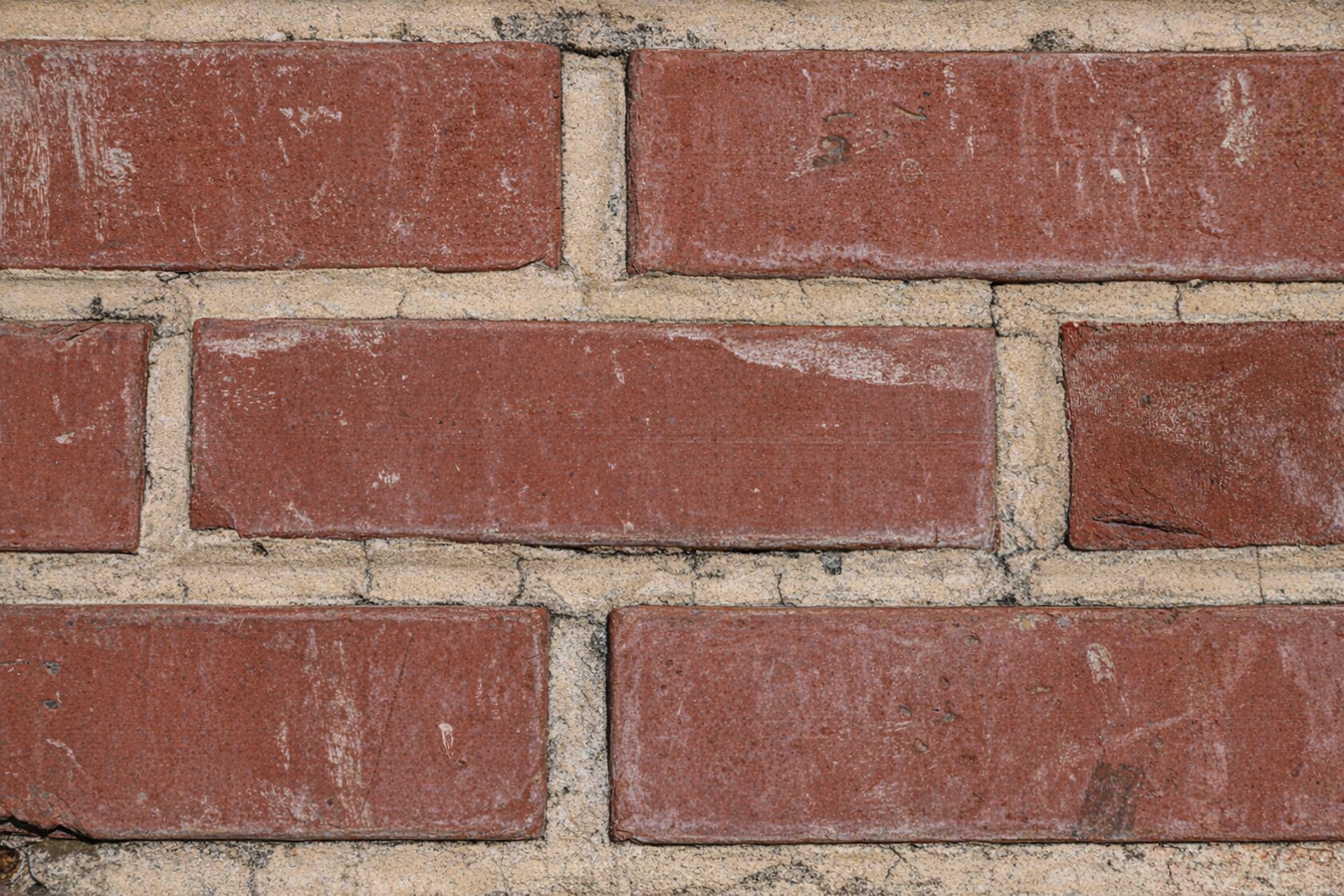
Crumbling mortar opens the door to moisture, mold, and structural damage. We remove the old material, pack in fresh mortar matched to your brick, and close those gaps for good.
Tuckpointing in Fremont means carefully grinding out old, crumbling mortar from the joints between bricks or stones and replacing it with fresh material - most jobs on a single-story home take one to three days. The mortar joints are what keep water out of your walls. When they deteriorate, moisture finds its way in and the damage spreads to wood framing, insulation, and eventually interior walls. If you have noticed white chalky staining or soft, sandy lines between your bricks, tuckpointing is likely the right fix.
Fremont homeowners often discover they need tuckpointing after a wet winter or following seismic activity near the Hayward Fault. Small tremors open hairline cracks in joints that are easy to miss until a rainy season drives water through them. If your chimney has dark streaks or white mineral stains running down its face, that is a reliable sign water is already moving through failing joints. Many homeowners who come to us for chimney repair end up also needing tuckpointing on their exterior walls once we do a full inspection.
Run your finger firmly along the mortar between your bricks. If material crumbles away or feels soft and sandy, it has broken down and is no longer keeping water out. This is the clearest sign tuckpointing is overdue - the sooner you address it, the less damage you will have to repair.
That chalky white residue is called efflorescence - mineral salt left behind when water moves through masonry and evaporates on the surface. In Fremont, where winter rains are heavy and morning fog keeps surfaces damp well into summer, this staining is a reliable early warning that water is getting through failing joints.
After any noticeable earthquake, walk around your home and look at the mortar joints on your chimney and exterior walls. Hairline cracks that follow the joint lines are a sign seismic movement has opened gaps. Given Fremont's proximity to the Hayward Fault, this check is worth doing every year or two.
Stand back from your chimney or brick wall and look at the joint lines. If you can see dark voids or sections where the mortar has fallen out entirely, those openings are letting in rain, insects, and the damp marine air that rolls in off the bay. Visible gaps are past the early-warning stage.
We handle tuckpointing on chimneys, exterior walls, garden walls, retaining walls, and any masonry structure where mortar joints have deteriorated. Before we mix anything, we assess your brick type - older Fremont homes in Niles and Centerville often used softer brick that requires a specific mortar formulation. Using the wrong mix on older brick can crack the bricks themselves rather than just the joints, so matching materials correctly is a non-negotiable step. We also offer brick pointing for walls that need joint finishing rather than full mortar replacement, depending on what we find during the assessment.
For homeowners dealing with more than just the joints - cracked or spalling brick, loose sections of wall, or chimney crowns that have opened up - we pair tuckpointing with brick repair so you get a complete fix in one visit rather than two separate projects. After tuckpointing is complete, we walk you through the curing period - typically 24 to 48 hours before the area should get wet, and up to 28 days to reach full strength.
Best for chimneys showing staining, soft mortar, or visible gaps at the top courses.
For homes where the wall surface mortar has been softened or opened by years of wet-dry cycling.
Freestanding masonry walls that face ground-level moisture and need sealed joints to stay stable.
Targeted repointing of hairline joint cracks opened by seismic movement near the Hayward Fault.
Fremont gets the bulk of its rain between November and March, followed by a long, dry summer. That repeated cycle of soaking and drying is hard on mortar joints - they absorb moisture in winter, then shrink and crack as they dry out in summer. Add in the marine fog that rolls in off the bay through much of the year, and homeowners in lower-lying parts of Fremont may notice mortar deterioration happening faster than neighbors in the hills. We serve Newark, CA and Hayward, CA as well, where the same bay-adjacent moisture conditions create similar wear patterns on masonry joints.
Fremont also sits directly along the Hayward Fault, one of the most active fault lines in California. Even minor seismic events - the kind you barely feel - can open hairline cracks in mortar joints over time. Homes in Niles, Centerville, and Irvington that were built in the 1940s through 1970s used softer mortar formulations than what is standard today, which means the original joints on those homes are often at or past the point where they need attention. According to the U.S. Geological Survey, the Hayward Fault is capable of a major earthquake - which is reason enough to keep your masonry joints in top condition.
We respond within 1 business day. Tell us where the masonry is, how old your home is, and whether you have noticed any water damage inside - that helps us prepare for the visit.
We inspect the joints closely, check your brick type, and assess access. You get a written estimate breaking down scope and price - no vague numbers, no surprises.
We grind out old mortar to the correct depth, pack in fresh material matched to your brick, shape the joints to the original profile, and clean the brick surface as we go. Most jobs take one to two days.
Before we leave, we walk you around the finished work and explain the curing period - keep the area dry for 24 to 48 hours, avoid power washing for 28 days. Simple list, no guesswork.
We respond within 1 business day - no obligation, no pressure. After you submit, someone from our office will call to schedule a free on-site estimate at a time that works for you.
(510) 941-1329We hold a state-issued masonry contractor license you can look up by number on the Contractors State License Board website before you sign anything. That means we passed a trade exam, carry insurance, and can be held accountable if anything goes wrong.
Older Fremont homes in Niles and Centerville require softer mortar formulations than modern construction. We assess your brick before mixing anything - using the wrong mix can crack the bricks themselves, which is a far more expensive problem than deteriorated joints.
Fremont's proximity to the Hayward Fault means we check for earthquake-related joint damage as a standard part of every estimate visit - not an add-on. Many homeowners discover seismic damage they did not know they had during a routine tuckpointing call.
We help Fremont homeowners plan tuckpointing in the spring window - after rains end but before summer heat - so fresh mortar cures in ideal conditions and your walls are sealed before November storms arrive. The{' '}Brick Industry Association recommends proper mortar curing time to ensure long-lasting repairs.
Our license, local knowledge, and material expertise are the three things that separate a tuckpointing job that lasts 25 years from one that fails in five. Every estimate includes a free assessment of your brick type and joint condition so you know exactly what you are getting before work begins.
Individual bricks cracking or spalling? We source matching materials and restore your wall so the repair is nearly invisible.
Learn morePrecision joint finishing for brick walls and chimneys that need clean, consistent mortar lines throughout.
Learn moreCall us today for a free on-site tuckpointing estimate in Fremont - the sooner joints are sealed, the less damage water can do.