
Loading...
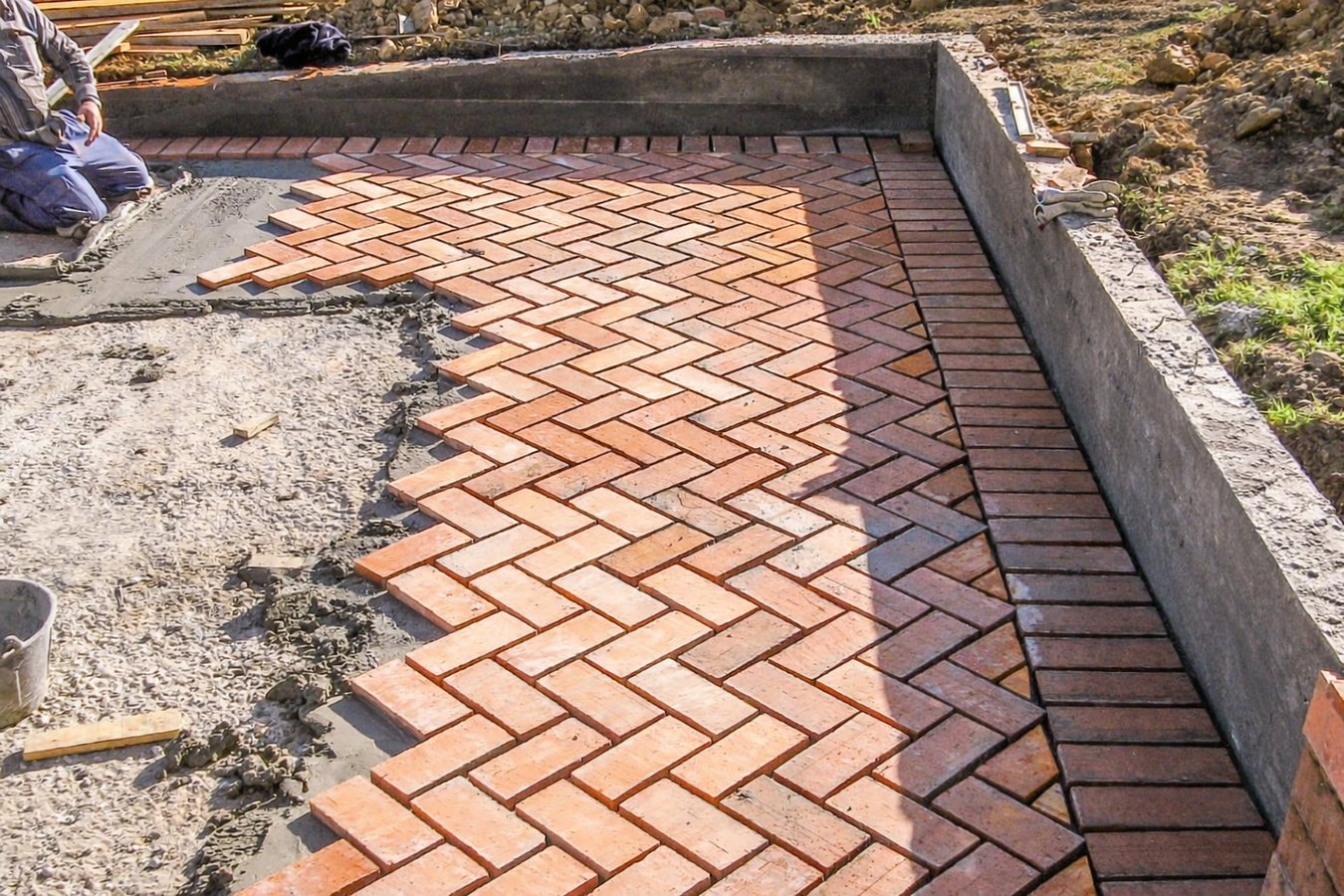
Fremont clay soil shifts every wet season and takes most walkways with it. We build paths in brick, concrete, and stone with a base that accounts for local soil - so your walkway stays level and drains correctly for years.
Walkway construction in Fremont means excavating existing soil, compacting a stable gravel base, and installing your chosen surface - brick pavers, poured concrete, or natural stone. Most residential projects take one to three days from start to finish once materials are on-site. The part you never see - the base preparation - is what determines whether your path stays level through a decade of Fremont wet seasons or starts rocking and cracking within a few years.
Fremont homeowners often discover their existing walkway problem the same way: one section tilts, they step on it every day, and eventually someone trips. If your current path is cracked, uneven, or draining water toward your foundation rather than away from it, a new walkway is not a cosmetic decision - it is a functional one. Many homeowners also add a new walkway alongside a driveway pavers project to create a consistent look across the entire front of the property.
If you can feel sections moving when you walk on them, or see that parts of the path have sunk lower than others, the base underneath has failed. This is especially common in Fremont because of the clay soil, which shifts with the wet-dry cycle every year. Uneven walkways are also a trip hazard - a real concern if older family members or young children use the path regularly.
A hairline crack here or there is not always cause for alarm. But cracks wider than a quarter inch, cracks that run all the way across a section, or cracks that seem to grow each season mean the structural integrity of the walkway is compromised. In Fremont's clay soil environment, cracks tend to worsen quickly because each rainy season causes more movement in the ground beneath.
After a rain, watch where the water goes. If it sits on the walkway in puddles, or flows toward your foundation rather than away from it, the slope is wrong. This is not just a nuisance - water draining toward your house can cause foundation and moisture problems over time, which are far more expensive to fix than a new walkway.
Some older Fremont homes - particularly those built in the 1950s and 1960s - were built without a formal front walkway, or with a path that has deteriorated to the point of being unusable. If guests are walking across your lawn to reach your front door, or you are navigating muddy ground every winter, a new walkway solves a real daily problem.
We build walkways in poured concrete, brick pavers, natural stone, and flagstone. Concrete is the most affordable starting point and suits homeowners who want a clean, low-maintenance surface without a lot of material variation. Brick and concrete pavers cost more upfront but offer a significant advantage if a section ever needs repair - you replace individual pieces rather than tearing out the entire path. We pair walkway projects with brick wall installation when homeowners want a defined front yard that reads as intentional rather than assembled piece by piece over time.
Natural stone and flagstone paths suit properties where the finish material needs to match an existing landscape design or complement a higher-end exterior. These materials take longer to install because each piece is set individually, but the result is distinctive in a way that poured concrete cannot replicate. Whatever material you choose, every project starts with the same base preparation - deep excavation, compacted gravel, and a slope designed to drain water away from your foundation, not toward it.
The most affordable option - best for homeowners who want a clean, low-maintenance path with a straightforward installation.
Suited for homes where curb appeal and repairability matter - individual pavers can be replaced if one cracks or shifts.
Ideal for higher-end Fremont homes in Mission San Jose or Ardenwood where the finish material makes a visible difference.
A good fit for casual backyard paths or side yards where a more informal, natural look complements the landscaping.
Fremont sits on expansive clay soil that swells when it absorbs winter rain and shrinks back down in the dry summer months. That seasonal movement is the main reason walkways in this area crack, tilt, and sink faster than homeowners expect. A walkway built with a standard base in a less demanding soil environment will not hold up the same way here. Contractors who work regularly in Fremont know to go deeper, compact more thoroughly, and slope every surface carefully - because the first heavy rain of November is going to test everything they did below grade. The Alameda County area around Fremont is well-documented for expansive soil challenges, as the Interlocking Concrete Pavement Institute recommends specific base standards for these conditions.
Homeowners in areas like Newark and Union City share similar soil conditions and face the same walkway failure patterns as Fremont. Many Fremont neighborhoods also have HOA rules about what walkway materials and dimensions are permitted - particularly in Ardenwood, Warm Springs, and Mission San Jose. A permit may also be required if the project involves changing drainage or grading, which is more common than most homeowners expect when replacing an older path. We handle both processes and ask about HOA requirements at the first conversation, not after the contract is signed.
We will ask a few questions about length, width, material preferences, and any drainage concerns. We reply to all inquiries within 1 business day and schedule a site visit before giving you any written estimate - no contractor should quote a firm price without seeing the property first.
During the visit we check existing ground conditions, how water currently drains, and talk through material options. This is your chance to ask about cost, timing, and HOA requirements. A written, itemized estimate follows within a few days.
If a permit is required for your project, we handle the application with the City of Fremont on your behalf. Permit review times vary, so we build in lead time when the project is time-sensitive. Once permits are in hand, we set your start date and confirm what to clear from the work area.
The crew excavates, compacts a gravel base - the step that matters most in Fremont's clay soil - and installs your chosen surface. For concrete, you will be off the path for 24 to 48 hours while it cures. We do a final walkthrough with you before leaving and make sure everything looks and drains correctly.
We reply within 1 business day. No pressure, no obligation - just a straight conversation about your project and what it will cost.
(510) 941-1329Fremont's expansive clay soil is the leading cause of walkway cracking in this area. We dig deeper than minimum, compact a thicker gravel base, and account for the wet-dry movement your soil goes through every year. The base is the part you never see - but it is what determines whether your walkway lasts 3 years or 30.
We handle permit applications through the City of Fremont and surrounding East Bay municipalities. You do not need to visit the building department or track down forms - we manage the paperwork and keep you updated on approval status. Work starts only after permits are in hand.
We regularly work in Fremont HOA communities and know their design approval processes. We ask about HOA rules at the start of every project so there are no violations or teardown orders after the work is done. Many competitors skip this step - we build it into our process from day one.
Every walkway we build is sloped correctly so rainwater runs away from your house - not toward it. In Fremont, where winter rains fall heavily in a short window, this detail protects your foundation from moisture problems that are far more expensive to fix than the walkway itself.
Every walkway we build is backed by the same process: proper base preparation for local soil conditions, correct drainage slope, and permits handled before the first shovel goes in the ground. We work across all of Fremont and the surrounding East Bay, and we know what local inspectors and HOA boards expect because we deal with them on every project.
If you want an independent reference for what proper paver installation standards look like, the Interlocking Concrete Pavement Institute and the Portland Cement Association both publish installation guidance that reflects the standards we follow.
A brick boundary wall or garden wall built alongside a new walkway gives your front yard a finished, defined look that holds up for decades.
Learn moreMatching your new walkway material to a paver driveway installation creates a cohesive front-of-home look that works well in Fremont's competitive real estate market.
Learn moreContractor calendars in Fremont fill quickly in September and October as homeowners rush to beat the rainy season - reach out now to lock in your start date.